
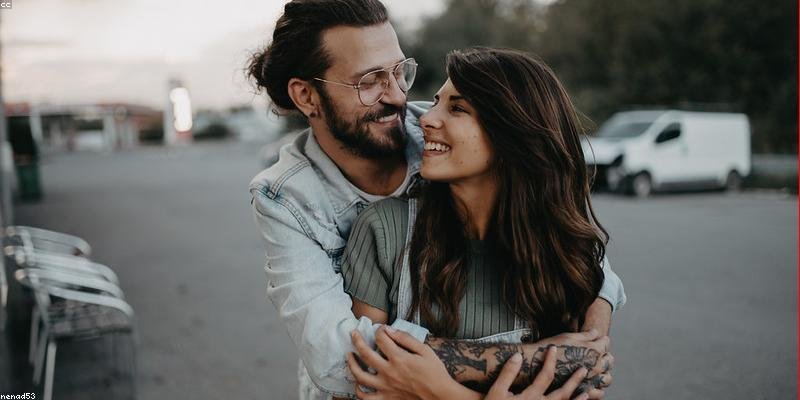
First love is easy; it requires only ignorance. You jump because you don't yet know how hard the ground is. But falling in love *again* - after a divorce, a devastating breakup, or years of being alone - that requires profound courage. In modern relationship psychology, I've seen countless people who have built impregnable fortresses around their hearts. They tell me they are "protecting" themselves. But what they are actually doing is preventing the very thing that can heal them.
Curious about your own situation? You can discover your next soulmate right now to find out.
The Myth of "Baggage"
When people re-enter the dating pool in their 30s, 40s, or 50s, they often apologize for their "baggage." I despise that term. Baggage implies dead weight that you drag around and force someone else to carry.
What you actually have is *experience*. You have scars that prove you survived. You have data on what behaviors you will no longer tolerate. You have a much clearer understanding of your own neuroses. When you fall in love the second (or third) time around, you aren't bringing baggage; you are bringing a much more sophisticated roadmap to who you are. The right partner won't see it as a burden; they will see it as the instruction manual for loving you well.
The Trap of the "Anti-Ex"
One of the most dangerous phases of dating again is the search for the "Anti-Ex." If your ex was financially irresponsible, you might fall for someone whose only defining characteristic is that they have a spreadsheet for everything. If your ex was emotionally distant, you might mistake love-bombing and codependency for "passion."
The Expert Take: When you date in direct reaction to your past trauma, you are still letting your ex dictate your love life. You aren't choosing a partner based on who they are; you are choosing them based on who they *aren't*. You must heal enough to choose someone based on their positive, standalone qualities, not just their contrast to your pain.
Why It Feels Different (And Why That's Good)
Many individuals feel uncertain when they fall in love again because it doesn't feel like the obsessive, anxious infatuation of early youth. They mistake peace for boredom.
First love is a rollercoaster. It is characterized by high highs and terrifying drops. Second love is often like a really good, sturdy house. It might not give you vertigo, but it keeps you warm, safe, and dry. Mature love is quieter. It is based on alignment of values, mutual respect, and the deeply unsexy but incredibly vital ability to resolve conflict without threatening to leave. If your new love feels "boring," check your nervous system. Are you bored, or are you just feeling safe for the first time?
The Vulnerability Hangover
When you finally start letting your guard down with a new partner, you will likely experience a "vulnerability hangover." You might share a deep fear, or cry in front of them, or admit how much you like them. The next morning, your brain's defense mechanisms will scream: *What did you do? They're going to use this against you! Run!*
This is normal. Your brain is trying to protect you from the pain it remembers. The key is to communicate this to your new partner. Saying, "I really opened up to you last night, and my instinct today is to pull away because I'm scared," is a masterclass in emotional maturity.
Expert Insights: Frequently Asked Questions
How do I know if I'm actually ready to date again?
You are ready when you no longer *need* a partner to feel complete, but you *want* one to share your complete life with. If you are terrified of being alone on a Saturday night, you need more time. If you enjoy your Saturday nights alone but think it would be nice to have company, you're ready.
Should I tell my new partner about the trauma from my past relationship?
Yes, but the timing and depth matter. First dates are for discovering if you like each other, not for trauma-dumping. As trust builds, you should share your "tender spots." You don't need to share every detail of the abuse or betrayal, but you should say, "Because of my past, I struggle with X, and here is what I need from you when that happens."
I feel guilty falling in love after being widowed. Is this normal?
Profoundly normal, and deeply painful. You are trying to hold two opposing emotions at once: grief for your late spouse and joy for your new partner. Please remember: the human heart is not a pie chart. Loving someone new does not take away any of the love you had for your spouse. Your capacity for love simply expands.
Ready for Your Next Chapter?
Discover your compatibility potential and take the first step toward new love with our comprehensive love calculator!
Start New Love Story →